
PlumbingPro North San Antonio
FAQs: Common Plumbing Questions in North San Antonio
Quick answers to common plumbing problems in San Antonio homes, from dripping faucets and slow drains to hidden leaks.
Request Service




FAQ
Common Plumbing Questions
Tap a question to see the answer, or call 830-206-5713 to talk to a plumber.
Why is my faucet dripping?
A dripping faucet in your San Antonio home is usually caused by a worn washer, cartridge, or O-ring that no longer seals properly. Over time, our hard Central Texas water can speed up wear on these parts. Fixing a drip early saves water, lowers your bill, and prevents larger plumbing issues.
What should I do if my toilet keeps running?
A constantly running toilet often means the flapper isn't sealing, the chain is too tight, or the fill valve needs adjustment. Try jiggling the handle and checking inside the tank for a tangled chain or misaligned flapper. If that doesn't solve it, schedule a visit so we can stop the wasted water and protect your San Antonio utility costs.
Can I use chemical drain cleaners?
We don't recommend chemical drain cleaners. They can damage older pipes, harm septic systems, and pose risks to pets and family members. In San Antonio's mix of older and newer homes, safe mechanical cleaning or professional hydro jetting is usually a better long-term solution for clogs.
Why does my sink drain so slowly?
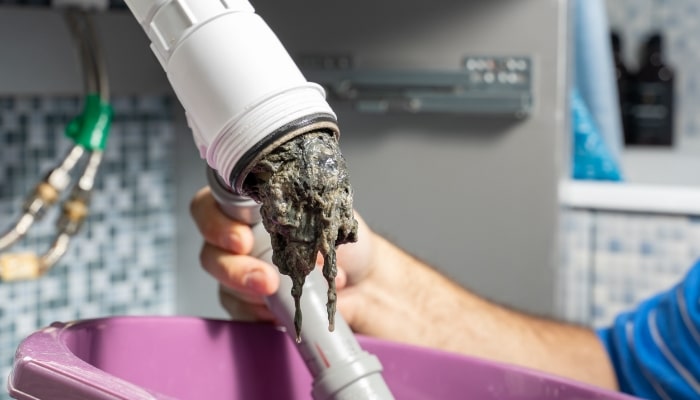
Slow drains are usually caused by a buildup of hair, soap scum, grease, or mineral deposits from San Antonio's hard water. Avoid flushing grease or wipes, use drain strainers, and have lines professionally cleaned if plunging doesn't restore normal flow.
How can I prevent frozen pipes in the winter?
While freezes are less common in San Antonio, sudden cold snaps do happen. Insulate exposed pipes, disconnect outdoor hoses, and let faucets drip slightly on very cold nights. If you'll be away, keep your home heated and open cabinet doors under sinks along exterior walls to let warm air reach pipes.
What are the signs of a hidden water leak?
Warning signs include unexplained high water bills, warm or damp spots on floors or walls, the sound of running water when fixtures are off, or mildew smells. Because San Antonio soil and slab foundations can hide leaks, it's important to have a professional inspection if you suspect one.
More Answers
More Plumbing Questions
Inspections, water pressure, odors and sump pumps.
How often should I have my plumbing inspected?
For most San Antonio homes, a plumbing inspection every one to two years is ideal, especially if you have an older property or large trees near your sewer line. Regular checkups can catch small issues, like minor leaks or corrosion, before they turn into expensive emergencies.
What causes low water pressure in my home?
Low water pressure can be caused by mineral buildup in fixtures, partially closed shut-off valves, failing pressure-reducing valves, or hidden leaks. In some San Antonio neighborhoods, municipal pressure can also fluctuate. We can test your system to find and correct the source of the problem.
What causes sewer odors in my home?
Sewer smells usually point to a dried-out P-trap, a cracked vent pipe, or a blockage in the drain or sewer line. Pouring water into unused drains can reset traps, but persistent odors in your San Antonio home should be checked by a licensed plumber to rule out serious issues.
How do I know if my sump pump is working?
To test your sump pump, pour water into the pit until the float rises and the pump turns on. Listen for unusual noises and make sure the discharge line is clear. Even though many San Antonio homes don't use sump pumps, if you have one, it should be tested at least once a year.
Get Help
Services for These Common Problems
Go straight to the service you need.
Schedule Plumbing Service With PlumbingPro North San Antonio
Still have questions, or ready to fix the problem? Our North San Antonio team is ready to help. Request service online or call 830-206-5713.