PlumbingPro Homeowner Help Center
Clear answers for the plumbing problems people deal with every day.
Straightforward answers, common warning signs and when to call a professional, from low hot water and slow drains to hidden leaks and recurring backups.
Homeowner Help Center
What you will find here
Plumbing issues are stressful enough without having to guess what is happening behind the wall, under the slab or inside the drain line. This page gives homeowners straightforward answers, explains common warning signs and helps you understand when a quick fix may work and when it is smarter to call a professional.
✓ Answers to common plumbing questions
✓ Guidance for real household plumbing problems
✓ Helpful signs to watch for before damage gets worse
✓ Simple explanations without confusing jargon
✓ Advice on when a repair may be minor and when it may need professional attention
Common Problems
Real plumbing help for real home problems
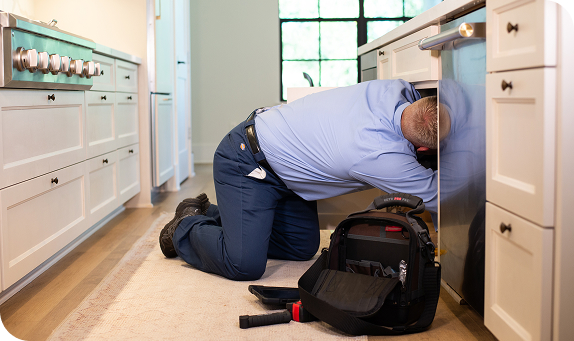
Most people aren't looking for plumbing theory. They want to know why the water heater is failing, why the toilet keeps running or why a drain keeps backing up, and what to do next.
Hot water problems
Showers turning cold too fast can mean the water heater is losing efficiency, struggling to recover or dealing with a part failure. A change in household demand can also expose an undersized system.
Drain and clog issues
One slow drain may be a local blockage. Repeated backups or several fixtures acting up at once can point to a deeper problem in the line that needs more than a temporary fix.
Leaks and pressure changes
A hidden leak doesn't always show up as standing water. Sometimes the first clue is a high bill, low pressure, damp flooring or running water when nothing is on.
Hidden Problems
Some plumbing problems get worse quietly
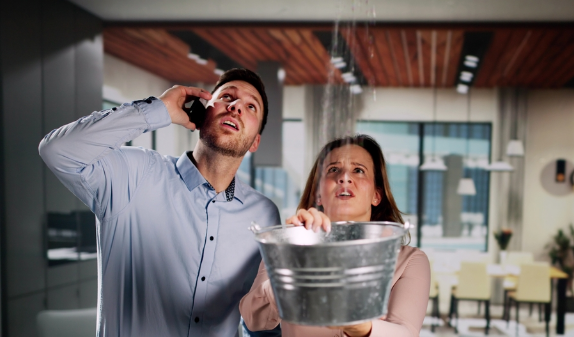
The visible symptom is not always the actual problem. A ceiling stain may come from much farther away than it appears, a slow kitchen sink may have buildup deep in the line, and a water heater that still works may already show early signs of a larger failure. Understanding what the signs usually mean helps you avoid repeat problems, extra damage and frustration.
✓ Small leaks can turn into expensive repairs when they stay hidden too long
✓ Recurring clogs often mean the original blockage was never fully solved
✓ Changes in pressure, smell or noise are often worth taking seriously
Guides
Guides for common plumbing situations
Knowing the likely causes helps you act faster and make better decisions about repair, replacement and service.
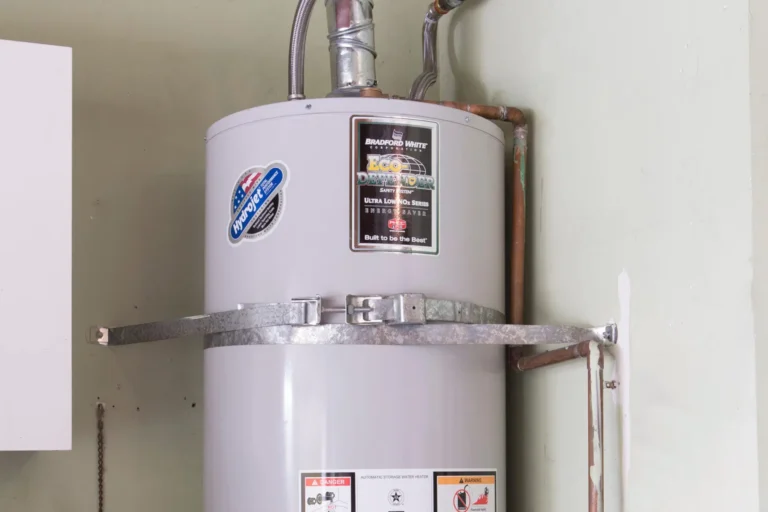
Your hot water does not last like it used to
Water Heater Guide. The issue may be inside the tank, in the heating components or in how much demand the system handles. Tank systems lose usable capacity over time, electric models may run on one element, and gas units may have burner or thermostat problems.
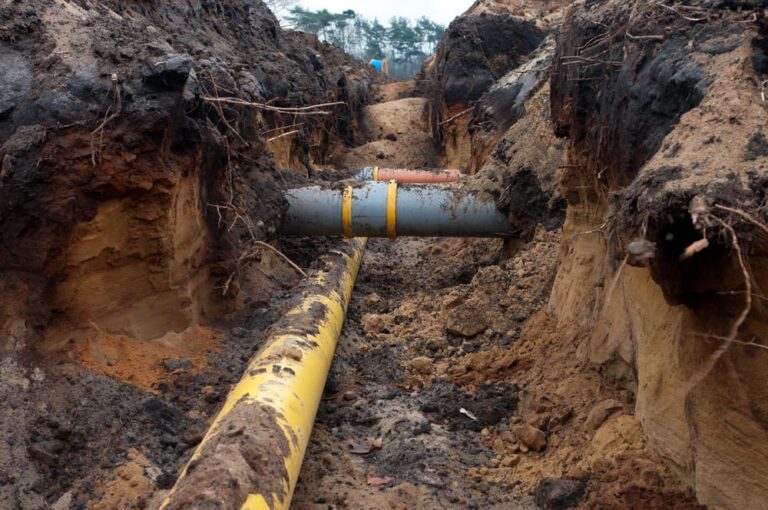
The same drain keeps clogging over and over
Drain & Sewer Guide. A clog that returns soon after clearing was only partly removed, or the real problem is farther down the line. Kitchens collect grease, bathrooms collect hair and soap, and main line trouble can affect more than one fixture.
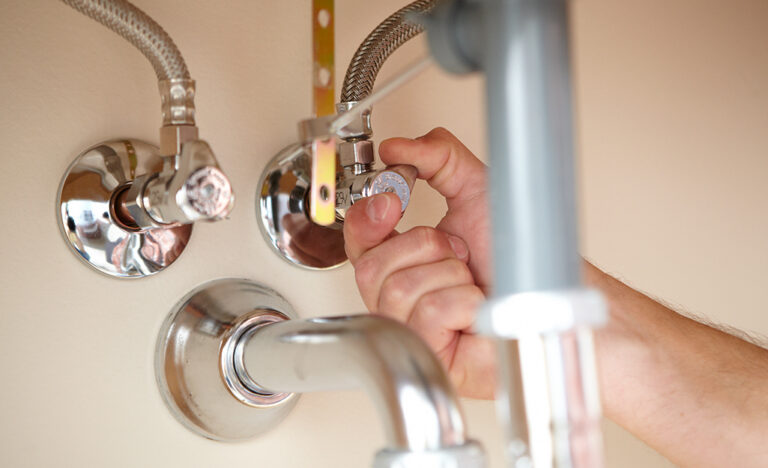
One faucet or shower suddenly has weak pressure
Fixture Guide. If only one fixture is affected, the problem is usually local: mineral buildup, debris in the aerator or cartridge, a worn cartridge or a partly closed stop valve. Single-fixture pressure loss is usually easier to isolate than whole-home loss.
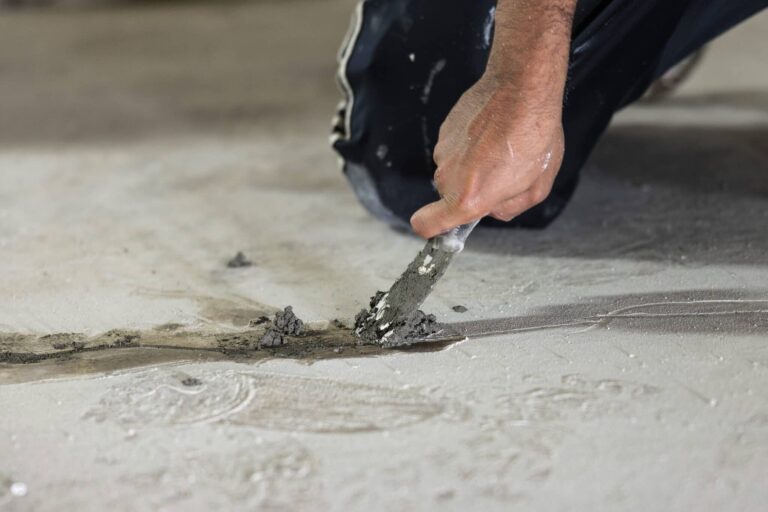
You suspect water is leaking somewhere you cannot see
Hidden Leak Guide. Some leaks stay hidden until flooring, drywall, cabinets or your water bill show the damage. Watch for musty smells, damp areas, warm spots on the floor or running water when nothing is on. Early action limits damage.
FAQ
Plumbing FAQ
These are some of the most common questions homeowners ask when something is not working the way it should.
Why does my water heater run out of hot water faster than it used to?
There are a few common reasons this happens. In a traditional tank water heater, sediment can collect at the bottom and reduce how much hot water the tank can actually deliver. In electric units, one bad heating element can leave the system only partially heating the water. Gas units may struggle with burner performance or thermostat trouble. Sometimes the heater itself is not the only issue. If the number of people in the home has changed, if showers and laundry are overlapping more often, or if a large tub is being used regularly, the demand may simply be more than the system can comfortably keep up with.
Should I use chemical drain cleaner on a clogged drain?
In most cases, it is better to be cautious. Drain cleaner may break through some soft buildup, but it usually does not solve the reason the clog formed in the first place. If the line is dealing with grease, roots, scale, or damage, the problem usually comes back. These products can also be rough on older plumbing and can make things harder when someone has to open the line later. If a drain keeps clogging, slow draining, smelling bad, or backing up again after a temporary fix, it is usually worth looking deeper instead of repeating the same chemical treatment.
Why does my toilet keep running after I flush?
A running toilet is often caused by a worn flapper, a fill valve that is not shutting off correctly, or a float that is set too high or not working the way it should. Sometimes the chain is also the issue if it is holding the flapper up or not letting it seat correctly. Even if it seems minor, a running toilet can waste a surprising amount of water. If you hear the tank refill when nobody has used it, that is usually a sign water is leaking from the tank into the bowl and the fixture should be repaired sooner rather than later.
What causes low water pressure in only one fixture?
When only one sink, faucet, or shower has low pressure, the problem is usually close to that fixture. Common causes include mineral buildup in the aerator, debris caught in the cartridge, a stop valve that is not fully open, or wear inside the fixture itself. This is different from whole-home pressure loss, which can point to a bigger plumbing issue. If it is only one location, the good news is that the repair is often more focused and easier to isolate.
Why does my sink smell bad even when it still drains?
A sink can drain and still smell bad because odor does not always come from a full blockage. In kitchens, grease and organic buildup often coat the inside of the pipe and start producing odor over time. In bathrooms, hair, soap residue, and biofilm are common causes. If the smell keeps returning, there may also be an issue with the trap or venting. That is especially true if the odor changes when nearby fixtures are used or if the smell seems stronger than what normal cleaning should fix.
Is a hidden leak always obvious?
No. Many hidden leaks start quietly. Some homeowners first notice a higher water bill, damp flooring, discoloration on walls, soft drywall, mildew odor, or the sound of water moving when no fixtures are on. The danger is that by the time the damage becomes obvious, the leak may have been active for longer than expected. If something feels off and the signs are starting to add up, it is usually better to investigate early than wait for a bigger repair.
When should a sewer line be repaired instead of replaced?
That depends on how extensive the trouble really is. If the problem is limited to one isolated section and the rest of the line is in good condition, a repair may make sense. If the line has repeated backups, multiple damaged spots, heavy root intrusion, major offsets, or overall deterioration, replacement may be the better long-term answer. The goal is not just to solve today’s backup. It is to avoid spending money on a short-lived fix when the line is already failing in multiple areas.
Why is my water bill suddenly higher than normal?
A sudden jump in your water bill often means water is being lost somewhere you are not seeing. A hidden supply leak, a running toilet, an outdoor irrigation issue, or a fixture that is not shutting off correctly can all push usage up without an obvious mess inside the house. If your habits have not changed but the bill has, it is usually worth taking seriously. Catching the cause early can prevent both water waste and property damage.
What does it mean if more than one drain is backing up?
When several drains are slow or backing up around the same time, the issue is often deeper in the system than a simple sink clog. That can point to a problem in the main drain or sewer line rather than one isolated fixture. This is especially true if tubs, toilets, and floor drains are all acting differently at the same time. Multiple fixture problems usually mean the blockage is affecting a shared part of the system.
Can a small leak really cause major damage?
Yes. Small leaks are often the ones that stay hidden long enough to cause the most frustration. Water that drips slowly behind a wall, under a sink, or beneath flooring can damage cabinets, drywall, baseboards, framing, and subfloor before the source is obvious. The problem is not always the amount of water at one moment. It is the amount of time the leak keeps going unnoticed.
Why does my garbage disposal hum but not work?
If a garbage disposal hums but does not spin, it often means the motor has power but the unit is jammed. Food debris, a foreign object, or internal wear can stop the grinding plate from moving the way it should. Turning it on repeatedly can make the problem worse. If the jam is not simple to clear safely, it is better to stop and have it checked before the motor burns out completely.
When should I call a plumber instead of trying to fix it myself?
If the problem keeps coming back, involves hidden water, affects more than one fixture, or seems tied to the sewer system, it is usually time to bring in a professional. The same is true if you shut the water off repeatedly, keep getting temporary results, or are worried damage is spreading behind the scenes. Simple issues do happen. But once the same problem starts costing time, cleanup, and repeated frustration, professional help usually saves more than it costs.
Early Warning Signs
Catch Problems Early
Many plumbing problems give a warning before they turn into something bigger. Paying attention helps you avoid emergency cleanup, property damage and repeat repair calls.
What to watch for before the damage gets worse
Water stains that keep growing or reappearing · Drains that slow down again soon after being cleared · Low pressure that appears suddenly · Bad smells from sinks, tubs or floor drains · Water bills that climb without a clear reason
Why homeowners call PlumbingPro
Repairs that make sense, clear explanations and a team that understands how frustrating plumbing trouble can be. Whether the issue is urgent or just starting to show signs, you get help with leaks, clogs, fixtures and water heaters, answers about what may be happening, and a clear path from concern to solution.
Need help with a plumbing problem?
If you're dealing with a leak, clog, water heater issue or another plumbing problem at home, your local PlumbingPro can help you figure out what's going on and what comes next. Helpful answers for homeowners. Professional help when you need it.