







Most plumbing problems do not start as emergencies. A small drip beneath a sink, a toilet that runs occasionally, or a drain that seems a little slower than usual can be easy to ignore—until the issue creates water damage, a backup, or an unexpectedly high utility bill.
A professional plumbing inspection gives you a clearer picture of how your home’s plumbing system is performing. Rather than waiting for something to fail, a licensed plumber checks accessible components, tests how water moves through the home, and identifies concerns that may need attention now or in the future.
Here is what you can generally expect during a professional plumbing inspection.
A Conversation About Your Home and Any Concerns
The visit usually starts with a quick discussion. Your plumber may ask whether you have noticed low water pressure, recurring clogs, unusual sounds, discolored water, inconsistent hot water, sewer odors, or higher-than-normal water bills.
This information helps guide the inspection. For example, a slow drain in one bathroom may point to a localized issue, while slow drains throughout the house could suggest a larger drainage concern.
It is helpful to mention anything that has seemed unusual, even if it comes and goes. Small details can make it easier to identify the source of a problem.
A Review of Visible Pipes and Plumbing Connections
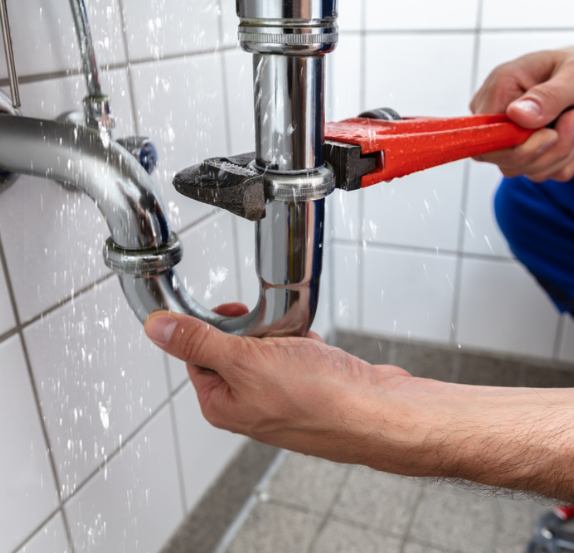
Your plumber will inspect accessible plumbing in areas such as under sinks, around toilets, near the water heater, in utility rooms, garages, crawl spaces, or basements.
They may look for:
- Moisture, drips, corrosion, or staining around pipe connections
- Aging or damaged supply lines
- Signs of previous leaks or water damage
- Loose fittings and worn shutoff valves
- Pipe materials that may be nearing the end of their expected service life
- Improperly supported or exposed pipes
Not every pipe in your home is visible, of course. However, a careful inspection of accessible areas can reveal clues about what may be happening behind walls, beneath floors, or underground.
Testing Faucets, Toilets, Showers, and Other Fixtures
A plumbing inspection normally includes the fixtures you use every day. The plumber may run water at sinks, tubs, and showers while checking for leaks, drainage issues, weak flow, or unusual pressure changes.
They may also inspect toilets for concerns such as:
- Running water between flushes
- Weak or incomplete flushing
- Leaks at the base or supply line
- Loose components inside the tank
- Signs of a hidden leak that could waste water over time
The plumber may also review appliance connections, including washing machine hoses, refrigerator water lines, dishwashers, and ice makers, when accessible. These small connections are easy to overlook but can cause significant damage when a hose or fitting fails.
Checking Water Pressure and Water Flow
Water pressure affects nearly every part of your plumbing system. Pressure that is too low can make showers frustrating and slow down appliance performance. Pressure that is too high can place unnecessary stress on pipes, fixtures, valves, and water-using appliances.
During an inspection, a plumber may test water pressure and observe how water flows at different fixtures. They may also look for signs that pressure is fluctuating or that one area of the home is not receiving the same flow as another.
If there is a concern, the plumber can help determine whether it may be related to a pressure regulator, mineral buildup, aging pipes, a partially closed valve, or another underlying issue.
Inspecting Drains and Looking for Signs of Blockages
Your drains are another important part of the inspection. The plumber may run water at sinks, tubs, showers, and toilets to see how quickly they drain and whether there are signs of a developing blockage.
Depending on the situation, they may look for:
- Slow drainage
- Gurgling sounds
- Recurring clogs
- Unpleasant odors
- Water backing up in nearby fixtures
- Evidence of leaks around drain pipes or traps
A slow drain does not always mean a major sewer line problem. It may be caused by buildup close to the fixture. Still, slow or recurring drainage throughout the home deserves closer attention because it can indicate a blockage farther down the line.
Evaluating the Water Heater
Your water heater is one of the most important appliances in your home, so it is often included in a plumbing inspection.
The plumber may check the unit’s age, visible condition, connections, drain valve, temperature setting, and surrounding area. They may also look for leaks, corrosion, rust-colored water, unusual noises, or signs that the system is not heating efficiently.
For a tank-style water heater, the inspection may include a review of the temperature and pressure relief valve and the condition of the pan or drain line, where applicable. For a tankless unit, the plumber may assess the visible connections and discuss whether the system is due for maintenance.
An inspection does not necessarily mean that maintenance will be performed during the same visit. If service is recommended, your plumber should explain what is needed and why.
Looking at Shutoff Valves and Exterior Plumbing
A professional inspection may also include a review of shutoff valves, hose bibs, exterior faucets, and other accessible plumbing components outside the home.
Knowing whether your main water shutoff valve works is especially important. In the event of a burst pipe or major leak, being able to quickly turn off the water can limit damage.
Your plumber may also check exterior faucets for leaks, damaged connections, or poor drainage around the home. If you have a sump pump, water filtration system, water softener, or other plumbing equipment, those components may be reviewed as part of a more comprehensive inspection.
When a Camera Inspection May Be Recommended
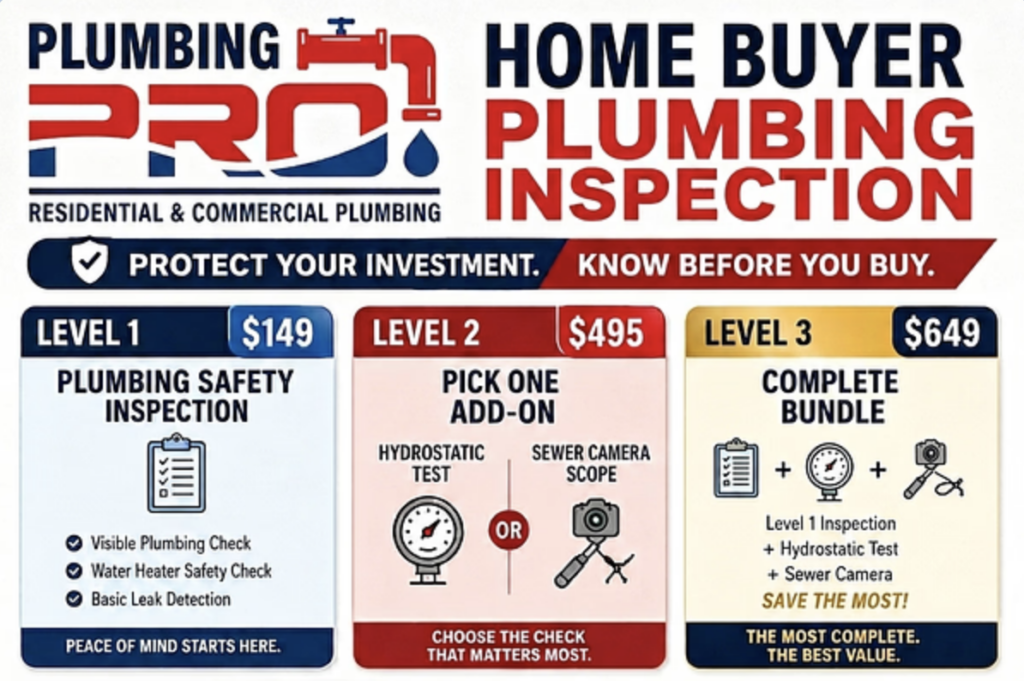
A sewer camera inspection is not automatically necessary for every plumbing inspection. It is often recommended when there are recurring clogs, sewage backups, drain odors, slow drains in multiple areas, or concerns about an older sewer line.
During a camera inspection, a plumber feeds a small waterproof camera through the drain or sewer line to see what is happening inside. This can help identify root intrusion, pipe damage, buildup, bellies in the line, or other hidden problems without digging up the yard.
A camera inspection can be particularly useful before buying a home, after repeated drainage issues, or when a plumber suspects a problem farther down the system.
What You Should Receive After the Inspection
At the end of the visit, the plumber should explain what they found in plain language. A helpful inspection does not simply point out problems—it helps you understand what matters most and what can wait.
Your recommendations may be grouped into categories such as:
- Urgent repairs: Issues that could cause active water damage, unsafe conditions, or a plumbing failure if left unaddressed
- Recommended repairs: Concerns that are not emergencies but could worsen over time
- Maintenance items: Routine service that can help protect equipment and extend its lifespan
- Long-term planning: Older pipes, fixtures, or water heaters that may need replacement in the coming years
You should also have the chance to ask questions before approving any repair work. A professional plumber should be able to explain your options, provide clear pricing, and help you make an informed decision without pressure.
How to Prepare for a Plumbing Inspection
You do not need to do much before a plumbing inspection, but a little preparation can make the appointment more productive.
Try to clear access to areas such as under sinks, around the water heater, and near plumbing equipment. Make a note of any issues you have noticed, including when they started and whether they affect one fixture or several. If you have experienced a spike in your water bill, keep a recent statement handy.
It is also a good idea to ask where your main water shutoff valve is located if you do not already know. That knowledge can be invaluable during a plumbing emergency.
When Should You Schedule a Plumbing Inspection?
A plumbing inspection can be worthwhile when you are buying a home, moving into an older property, planning a remodel, or dealing with repeated plumbing concerns. It can also be a smart part of routine home maintenance, especially if your home has aging pipes, an older water heater, frequent clogs, or a history of leaks.
You should consider scheduling an inspection sooner if you notice damp spots, unexplained water bills, musty odors, poor water pressure, discolored water, recurring drain backups, or inconsistent hot water.
A professional plumbing inspection cannot prevent every issue, but it can help you catch developing problems before they become far more disruptive and expensive.
Schedule a Professional Plumbing Inspection
Your plumbing system works hard every day, often out of sight and out of mind. A professional inspection gives you a practical understanding of its condition and a plan for addressing concerns before they turn into emergencies.
To schedule a plumbing inspection for your home, contact a licensed plumbing professional today.
