Low water pressure can turn everyday tasks—like showering, washing dishes, or doing laundry—into a frustrating experience. If you’re a homeowner in Austin, you’re not alone. Water pressure issues are common, but the key is identifying the root cause so you can fix it the right way—not just temporarily.
Here’s a breakdown of the most common causes of low water pressure—and the solutions that actually work.
1. Mineral Buildup in Pipes
Hard water is a known issue in Austin, and over time, minerals like calcium and magnesium can accumulate inside your pipes. This buildup restricts water flow and reduces pressure throughout your home.
The Fix:
Professional pipe cleaning or installing a water softener can help prevent future buildup. Plumbing Pro offers expert water treatment services to improve water quality and protect your plumbing system.
2. Clogged Fixtures and Aerators
Sometimes the issue isn’t in your pipes—it’s at the fixture level. Faucet aerators and showerheads can collect debris and mineral deposits, leading to reduced water flow.
The Fix:
Remove and clean aerators and showerheads regularly. If buildup is severe, replacing fixtures may be necessary.
3. Hidden Leaks in Your Plumbing System
Leaks can divert water away from where it’s needed, causing a noticeable drop in pressure. Even small leaks can have a big impact over time.
The Fix:
A professional inspection can identify and repair leaks before they cause further damage. Plumbing Pro provides reliable plumbing repair services to detect and fix hidden issues quickly.
4. Issues with Your Pressure Regulator
Some homes have a pressure regulator that controls the water pressure entering the home. If this device fails, it can cause pressure to drop—or spike unexpectedly.
The Fix:
A licensed plumber can test and replace the pressure regulator if needed to restore proper flow.
5. Corroded or Aging Pipes
Older homes may have pipes made from materials that are prone to corrosion, such as galvanized steel. Over time, corrosion narrows the interior of the pipes, restricting water flow.
The Fix:
In some cases, repiping may be the best long-term solution. Plumbing Pro offers comprehensive plumbing services to assess your system and recommend upgrades when necessary.
6. Municipal Water Supply Issues
Sometimes low water pressure isn’t caused by your home at all. Issues with the local water supply—such as maintenance work or system limitations—can affect pressure.
You can check with your local provider or neighbors to see if others are experiencing similar problems. The U.S. Environmental Protection Agency provides helpful information on how municipal water systems operate and what can impact pressure.
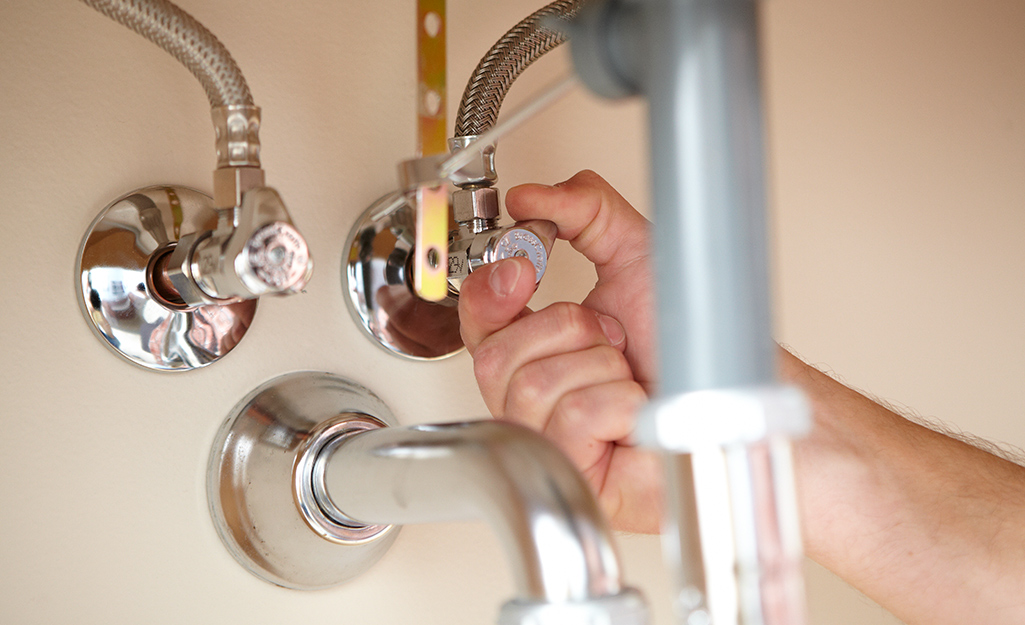
7. Partially Closed Shut-Off Valves
If your home’s main shut-off valve or water meter valve isn’t fully open, it can restrict water flow and reduce pressure.
The Fix:
Check that all valves are fully open. This is a simple fix that can sometimes solve the problem immediately.
The Fix That Actually Works: A Professional Diagnosis
While some water pressure issues have quick DIY fixes, many require a deeper look at your plumbing system. Guessing at the problem can lead to temporary solutions—or even make things worse.
A professional plumber can:
- Accurately diagnose the cause
- Recommend the most effective solution
- Prevent future issues from developing
Restore Your Water Pressure the Right Way
Low water pressure doesn’t have to be something you live with. By identifying the true cause and addressing it properly, you can restore strong, consistent water flow throughout your home.
Plumbing Pro is here to help Austin homeowners solve water pressure problems quickly and effectively. Whether it’s a simple fix or a more complex issue, their experienced team will get your plumbing system back on track.
Schedule your service today and enjoy the comfort of reliable water pressure in every room of your home.